
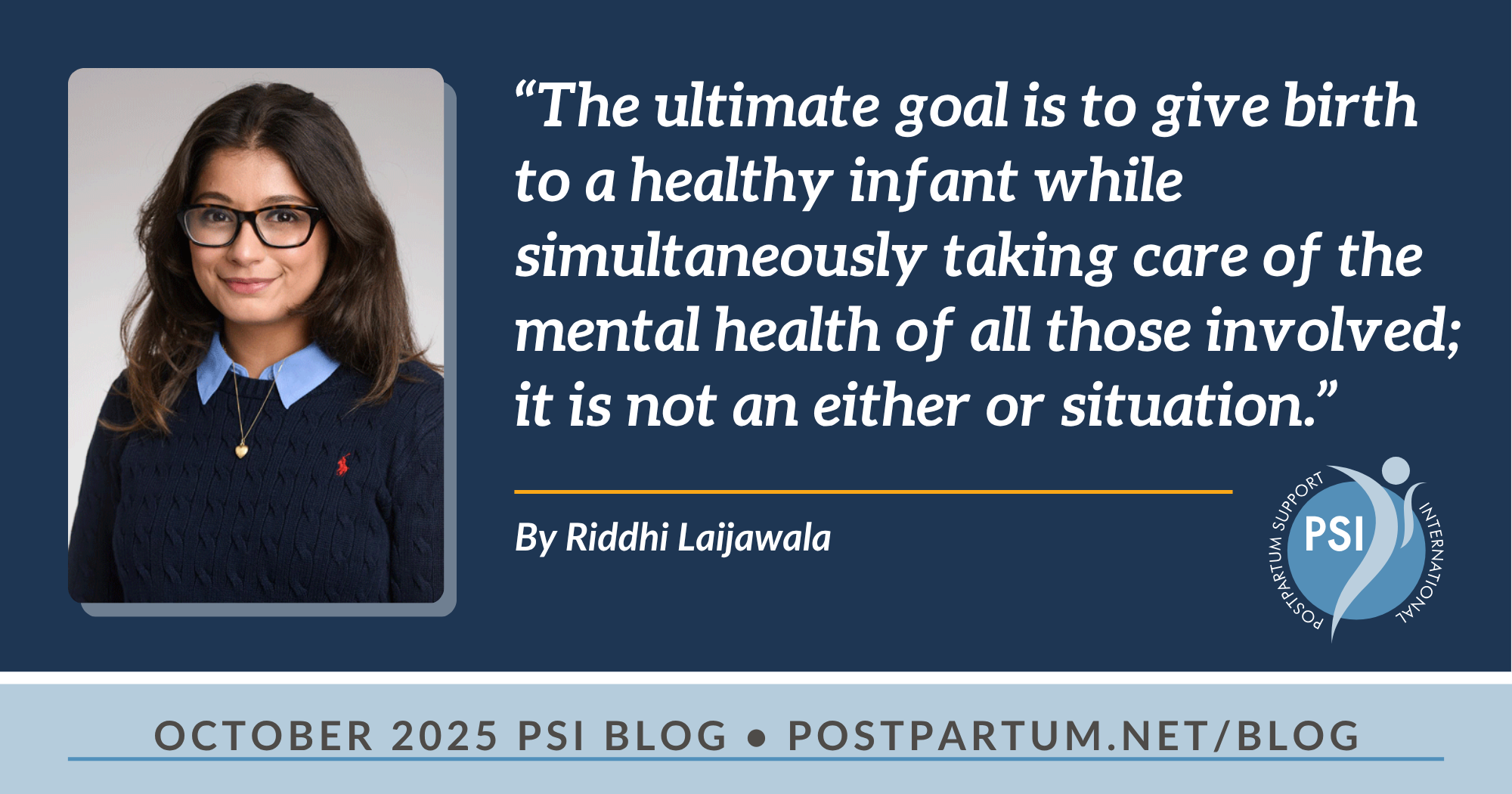
By Riddhi Laijawala

October is Being pregnant and Toddler Loss Consciousness Month, and world over, the 9th to the 15th of October is noticed as Baby Loss Awareness Week. As a researcher working within the area of perinatal psychiatry, a lot of my work focuses on antenatal and postnatal psychological well being. Nonetheless, it’s my responsibility to additionally acknowledge being pregnant loss, an expertise that has a profound affect on households, however typically doesn’t get talked about. This silence and strolling on eggshells strategy does little to households experiencing this and may depart them feeling remoted after they want additional assist.
I shall be shedding gentle on Recurrent Being pregnant Loss (RPL), a situation referring to the lack of a couple of being pregnant, and shall be referencing a overview revealed final yr within the Mind, Behaviour, & Immunity – Well being journal, titled “Recurrent Pregnancy Loss: Immunological aetiologies and associations with mental health.”
Different organizations across the world differ in their criteria of what is defined as RPL. While organizations in the UK define this as three or more first trimester losses, American organizations define this as two or more clinical pregnancy losses.
Experiencing a pregnancy loss at any stage is a devastating experience. The recurrent nature of RPL intensifies the grief, low mood, and anxiety in families experiencing this, and research has confirmed this. Specifically, emerging research in countries like Nigeria and China has revealed that RPL is associated with moderate to severe levels of anxiety, depression, and stress, with factors such as reduced social support and lower educational levels being predictive of poorer mental health. When families conceive after experiencing RPL, the entire pregnancy can be a highly anxious period. The urgent need to provide specialist mental health support to those experiencing this is underscored by the impact of prenatal anxiety on birth outcomes, such as preterm birth, low birth weight, and a smaller head circumference. This mental health support is especially important in the first trimester, and research confirms this, since depression and anxiety are highest in the first trimester, when the risk of losing the pregnancy is higher than in subsequent trimesters. Charities such as the Miscarriage Association have shared methods to assist wellbeing in a being pregnant after loss, similar to discovering ongoing assist by way of healthcare professionals like midwives, discovering a supportive group, and most significantly, taking care of oneself.
RPL’s impact on non-birthing companions:
After I wrote this overview final yr, I spotted that the majority analysis focuses on the birthing associate. RPL is a situation that impacts each companions. Within the case of heterosexual relationships, analysis has discovered that males have much less intense experiences of adverse psychological outcomes, nonetheless they’re extra prone to interact in behaviours like elevated consuming. The identical research checked out qualitative outcomes, and male contributors shared that their function was to offer assist to their birthing associate, and their experiences felt marginalized as compared. The non-birthing associate is commonly anticipated to play the “robust” and supporting function, whereas the birthing father or mother recovers bodily, and mentally. Their very own grief, trauma, and psychological well being is neglected, together with that is the stigma that males shouldn’t present their feelings. The analysis trying into the expertise of LGBTQ+ households is much more restricted, nonetheless, charities within the UK like Tommy’s share the tales of those households and spotlight their experiences.
General, my analysis into this subject has proven that it stays an underneath researched, and a misunderstood area. If we have been to take steps to advance this area, step one can be to have one, concise definition that can be utilized globally. Above all, that is to make it possible for households get the suitable and well timed therapy. Secondly, analysis reveals numerous RPL causes stay unexplained, which provides a big layer of complexity. Whereas widespread causes embody endocrinological, anatomical and immunological points, not all circumstances fall underneath these dimensions. When the trigger is unidentified, this results in extreme testing, which might result in immense nervousness, discomfort and stress.
Consciousness goes a great distance:
Final yr, to acknowledge Child Loss Consciousness week, the UK authorities introduced that certificates can be provided to households who misplaced a child earlier than 24 weeks’ gestation, and this has been a giant step in recognizing households who’ve been affected by this situation. As that is such a delicate subject to speak about, there’s a lot hesitation to handle it adequately.
At this level, I wish to spotlight that speaking about it isn’t the one strategy. Some households may not wish to discuss it and grieve privately. Some households may be getting psychological well being assist to deal with the trauma however don’t wish to discuss to members of the family. And that’s completely okay, too. Recognising that totally different folks reply to RPL in numerous methods can go a great distance in offering assist of any sort. In case you are a buddy, household, or a cherished one among somebody who has skilled a loss, perceive the wants of those that have gone by way of it, and act accordingly, and be open to the truth that generally, they don’t wish to discuss it.
As a researcher on this area, I do hope that we proceed to check this area to enhance general outcomes. I beforehand mentioned this in an article for Inspire the Mind, however I’ll say it once more: the final word purpose is to offer beginning to a wholesome toddler whereas concurrently taking good care of the psychological well being of all these concerned; it’s not an both or scenario. Being pregnant loss issues, and it’s excessive time we began speaking about it.
Concerning the Creator

Riddhi Laijawala
Riddhi Laijawala is a PhD scholar and researcher on the Institute of Psychiatry, Psychology, and Neuroscience at King’s School London. Her work focuses on perinatal psychiatry, with a particular curiosity in mom toddler interplay and recurrent being pregnant loss. She is at present co-leading England’s contribution to the HappyMums Consortium, and her work right here focuses on the chance components contributing to antenatal despair. Other than her function as a researcher, she is extraordinarily obsessed with science dissemination. She is an editor and author for Inspire the Mind, a digital journal specializing in making science and analysis broadly obtainable to a non-specialist viewers.
Instagram: @happymumsproject_uk @inspirethemind)__ @riddhi.ljw
X: @riddhilaij
Discover Extra PSI Assets:
Loss & Grief in Pregnancy and Postpartum Resources
Free Virtual Peer Support Groups
Professional Perinatal Mental Health Trainings

Join by PSI
Obtain our free app “Join by PSI” in your app retailer to entry PSI assist, assets, and knowledge within the palm of your hand.


Trending Merchandise