
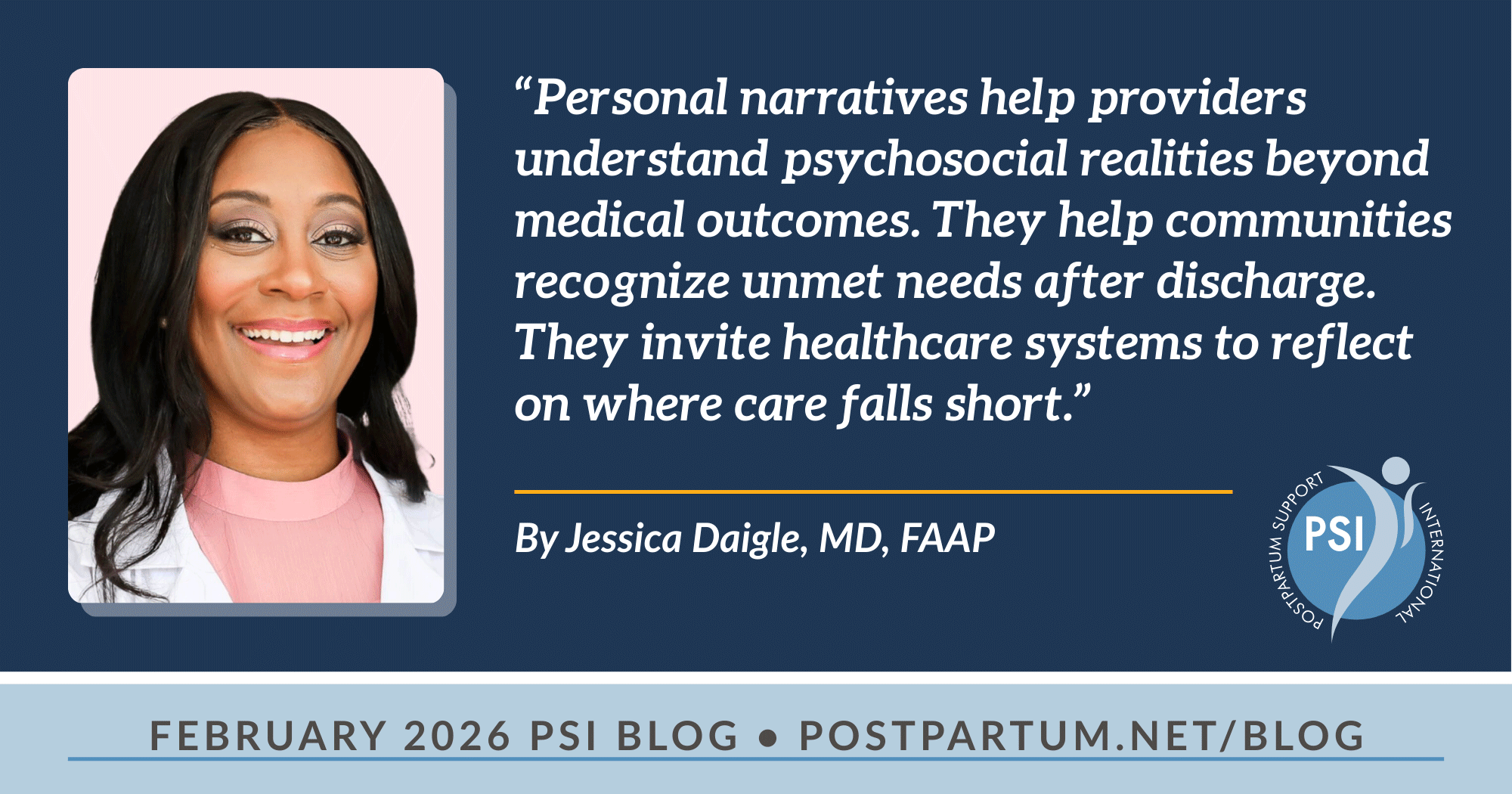
By Jessica Daigle, MD, FAAP
A NICU journey reveals how silence, survival, and power form Black moms’ psychological well being—and why storytelling issues.
My Story: When Data Wasn’t Sufficient
When my son was within the NICU, I didn’t search psychological well being assist straight away.
Not as a result of I didn’t perceive what was taking place. I used to be already a pediatric resident. I had educated within the NICU and knew what it entailed. The medical language, the displays, and the routines had been acquainted.
The medical piece wasn’t the difficulty.
What I wasn’t ready for was the emotional weight—the psychosocial toll that adopted us dwelling.
The Hardest Half Got here After Discharge
As soon as we left the NICU, life was anticipated to return to “regular.”
However nothing felt regular.
We had been navigating lingering worry, disrupted sleep, and the emotional residue of weeks spent in survival mode. On the similar time, I used to be anticipated to return to coaching and performance as if life had merely resumed.
Childcare was tough. Assist from my program and even from household was inconsistent. The load of making an attempt to carry all the pieces collectively quietly settled in.
When Survival Mode Turns into Silence
I stayed in survival mode longer than I noticed.
I advised myself this was simply a part of the method. That I ought to be capable of handle. That others had endured worse.
However as I moved additional into my coaching, one thing turned clear.
I had survived the NICU expertise.
I had not processed it.
This sample is frequent in Black moms’ psychological well being, significantly amongst those that are succesful, completed, and accustomed to pushing ahead.
The Power Narrative Begins Early
In Black tradition, power is commonly assigned earlier than it’s chosen.
At the same time as infants, Black women are described as “fighters.” Robust. Resilient. Constructed to endure. Earlier than they’ve the prospect to develop into assist, they’re given a story of toughness.
That message follows many into maturity and motherhood. Power turns into anticipated. Vulnerability turns into non-obligatory—or unsafe.
Over time, this framing shapes how Black moms relate to their very own psychological well being.
How This Impacts Black Moms’ Psychological Well being
When power is the default expectation, asking for assist can really feel like failure.
Black moms’ psychological well being struggles are sometimes minimized—by techniques, by communities, and typically by people themselves. Emotional misery could also be reframed as one thing to endure relatively than handle.
This could result in:
- Delayed help-seeking
- Emotional exhaustion being normalized
- Trauma remaining unprocessed
Survival is prioritized. Therapeutic is postponed.
Silence Bolstered From All Sides
This silence doesn’t exist in isolation.
Inside communities, power is commonly celebrated as safety. Outdoors of them, that very same expectation is steadily projected onto Black moms.
The result’s a query many carry quietly:
The place is the protected place to say, “I’m struggling, and I need assistance”?
When no area feels protected, silence turns into the response.
The Price of Untold Tales
Unacknowledged trauma doesn’t disappear.
With out area to course of, Black moms could expertise ongoing nervousness, emotional numbness, or issue adjusting lengthy after the NICU keep ends. Power stress can have an effect on long-term well-being.
For a lot of, recognition comes later—lengthy after the disaster has handed.
Why Storytelling Issues
Storytelling interrupts silence.
When Black moms share their psychological well being tales, they problem the idea that power requires struggling alone. Tales validate experiences that had been minimized and provides language to feelings that went unnamed.
For Black moms’ psychological well being, storytelling just isn’t oversharing. It’s truth-telling.
How Tales Bridge Gaps in Care
Tales do greater than heal people. They inform techniques.
Private narratives assist suppliers perceive psychosocial realities past medical outcomes. They assist communities acknowledge unmet wants after discharge. They invite healthcare techniques to mirror on the place care falls quick.
Tales humanize what knowledge alone can’t.
Creating Area for Vulnerability
Supporting Black moms’ psychological well being requires greater than resilience. It requires security.
That security begins when emotional struggles are named with out judgment, vulnerability is allowed to coexist with power, and psychological well being assist is normalized as a part of care—not a final resort.
Therapeutic occurs when silence is not anticipated.
Power Ought to Not Require Silence
I share my story as a result of I as soon as believed silence meant I used to be coping.
Now I perceive it meant I used to be carrying an excessive amount of alone.
Black moms’ psychological well being deserves greater than survival. It deserves area, compassion, and care that honors the complete human expertise.
Power just isn’t the absence of wrestle. Generally, it’s the braveness to say, “I need assistance.”
Concerning the Creator

Jessica Daigle, MD, FAAP
Jessica Daigle, MD, FAAP, is a board-certified pediatrician and neonatal/pediatric hospitalist, and the Founder & CEO of Mom & Me MD, a platform devoted to supporting households from the NICU to dwelling. A mom of two preemies, together with a NICU graduate, she blends lived NICU expertise with medical experience to advance family-centered, trauma-informed care that facilities the emotional and psychological well being wants of fogeys throughout and after NICU hospitalization.
Dr. Daigle is a nationally acknowledged speaker, educator, and writer of Anchored In Hope: A NICU Mum or dad’s Devotional (2025). Her work focuses on perinatal and NICU-related psychological well being, equitable care, and compassionate communication, with explicit consideration to the experiences of Black moms. She spoke on the 2024 Black Maternal Psychological Well being Summit and has been featured in Neonatology Right this moment and nationwide podcasts. Her affected person advocacy and communication work has been acknowledged with a Press Ganey Award for Excellence in Affected person Expertise.
Discover these PSI Assets:
Tell Your Story
Get Help
The Alliance
Subscribe to the PSI Blog

Join by PSI
Obtain our free app “Join by PSI” in your app retailer to entry PSI assist, sources, and data within the palm of your hand.


Trending Merchandise