
What Minnesota’s federal enforcement surge uncovered about maternal psychological well being and our care system
By Nancy Goh Kelly, MPH
Common Contributor
Set off warning: child loss, stillbirth
In January, a video circulated on social media.
Federal enforcement brokers detained a person inside a library the place my household went simply days earlier than.
That month, greater than 3,000 immigration enforcement brokers descended in Minnesota, creating worry and panic throughout immigrant communities and communities of colour.
As a second-generation Chinese language American who beforehand skilled postpartum nervousness, I acknowledged the sensation immediately: elevated coronary heart price, tightness in my chest, bother focusing, and bracing for the worst.
However this time, the risk wasn’t inner. It was throughout me, and others in my group have been feeling it too.
For a lot of pregnant sufferers and new mothers, the impression was much more extreme.
When sufferers cease feeling protected, maternity care breaks down
“A pregnant affected person in energetic labor refused an ambulance as a result of she feared ICE brokers. We noticed worry repeatedly outweigh medical urgency.”
“To start with, solely a fraction of sufferers confirmed up. As soon as we provided digital visits, almost everybody needed care. They simply didn’t really feel protected.”
I spoke with Minnesota-based healthcare leaders serving mothers–at a federally certified well being heart, a safety-net cell clinic, an equity-centered clinic, and an outpatient psychological well being clinic.
New and pregnant mothers delayed care, skipped prenatal appointments and ultrasounds, or prevented clinics altogether out of worry of being focused or detained.
Suppliers reported sharp will increase in panic, hypervigilance, sleep disturbances, and avoidance behaviors – together with worry of attending medical appointments in individual. One clinic reported a greater than five-fold enhance in postpartum nervousness and melancholy.
The tales have been heartbreaking:
- A mother stepped onto a cell clinic van smiling, “I haven’t been outdoors since my child was born.”
- A pregnant affected person’s companion had been detained. After the delivery, the mom referred to as the daddy. He apologized to his child time and again for lacking the delivery.
- A pregnant Venezuelan immigrant skipped 2 months of prenatal visits. She delivered a wholesome child, however the worry and re-traumatization from violence in her residence nation made her too afraid to go away residence postpartum.
- A high-risk affected person missed a crucial ultrasound as a result of ICE exercise close to her house. She deliberate to go the following day, however went into labor that night. She later misplaced her child.
- One other affected person delayed prenatal care till 34 weeks, after her companion was deported. She arrived with extreme preeclampsia and fetal development restriction. Her child was stillborn two days later.
Fundamental wants turned healthcare boundaries, too.
Sufferers skipped meals as a result of they have been afraid to go away residence for groceries. Others misplaced telephone service and have become exhausting to achieve.
How clinics stepped up
“It turned clear that ignoring what was occurring was not going to be an possibility for anybody in healthcare.”
One supplier described the response as ‘natural and matriarchal’, with clinics, doulas, therapists, and midwives mobilizing to assist susceptible households.
Proactive outreach
Clinics constructed programs to establish pregnant sufferers at highest threat of falling by way of the cracks. One supplier saved a spreadsheet monitoring missed appointments, ultrasounds, and care gaps as a result of she was “damned to not lose one other child to preventable care disruptions.”
Groups referred to as sufferers who missed appointments, checked in on security issues, and reconnected households to care earlier than crises acquired worse.
Versatile care supply
Care fashions have been redesigned nearly in a single day. Clinics expanded telehealth, telephone calls, cell visits, and drugs supply–together with weekends. “All-in-one” prenatal appointments mixed ultrasounds, supplier visits, nurse consumption, and residential blood strain monitoring training right into a single go to.
A brand new 24/7 multilingual hotline related households in disaster to prenatal and postpartum care throughout a whole bunch of Minnesota’s suppliers.
Psychological well being suppliers tailored too. Remedy classes shifted towards grounding and stabilization as a result of sufferers have been dwelling in every day worry.
Bringing care to sufferers
Two clinics quickly launched new applications for sufferers too afraid to entry clinics or hospitals – together with prenatal cell residence visits and equity-focused home- and community-based care.
One other clinic expanded residence visits for prenatal care and postpartum assist, blood exams, and drugs drop-offs when clinics now not felt protected.
Assembly wants past healthcare
Suppliers stretched far past conventional healthcare roles. Clinics coordinated rides with volunteers to ultrasounds, hospital deliveries, and pressing care. Suppliers distributed groceries, diapers, and child garments and related households to authorized help and mutual help teams.
In simply a few months:
- Greater than 200 sufferers have been related to affected person portals so they might entry prescriptions, telehealth visits, and care groups.
- Referrals for cell visits surged from 30 a month to 500.
- One clinic secured $25,000 in personal donations to cowl lease and utility funds and organized hundreds of meals deliveries.
These clinics quickly constructed new programs of care in actual time, serving to new mothers keep related throughout an extremely destabilizing interval.
However in addition they uncovered one thing deeper.
The issue isn’t simply disaster response
When a system is compelled to stretch, it reveals what’s potential – and the way maternity care ought to be delivered. That’s what occurred in Minnesota through the surge.
Proactive outreach. Versatile visits. Psychological well being and social assist. Care constructed on dignity.
Our maternity care system wasn’t constructed for underserved households. It assumes sufferers have transportation, childcare, flexibility, and protected entry to care.
Add worry, and people gaps get greater quick.
The clinics greatest positioned to reply have been already rooted in trusted, community-based care. FQHCs, cell clinics, doulas, midwives, and equity-focused suppliers turned lifelines.
And but, these are sometimes the fashions that stay most underfunded or hardest to entry. We will’t proceed counting on suppliers–an already strained workforce–to hold this burden alone each time a disaster hits.
Even now, months after the height of enforcement exercise, worry hasn’t totally disappeared.
Sufferers nonetheless keep away from hospitals and clinics as a result of they now not really feel protected there. Suppliers proceed to see delayed care, missed preventive visits, and elevated experiences of perinatal psychological well being issues.
What wants to vary now
“Girls usually get missed till they’re suicidal. That solely will get worse when sufferers are too afraid to hunt care.”
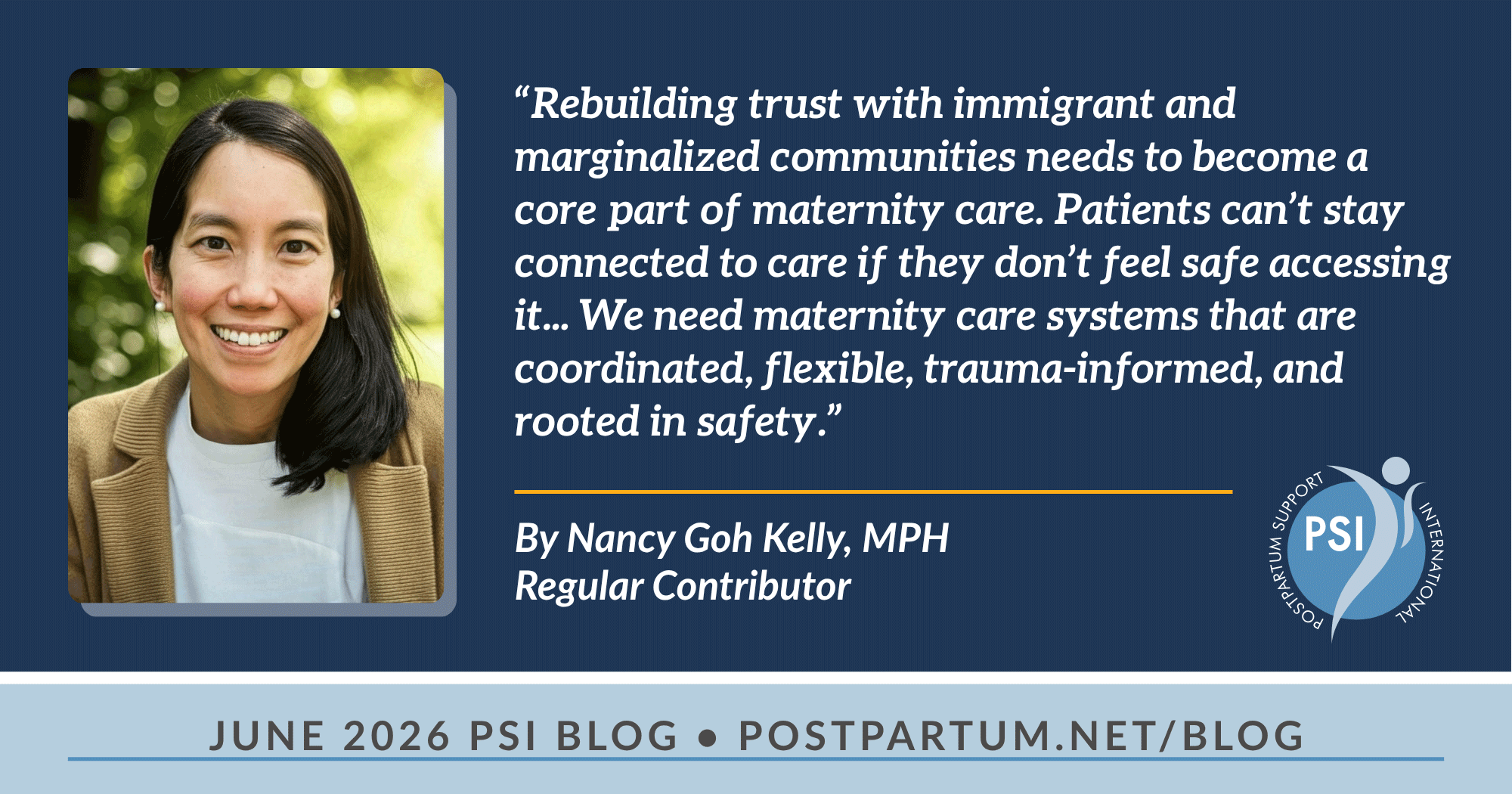
Rebuilding belief with immigrant and marginalized communities must change into a core a part of maternity care. Sufferers can’t keep related to care in the event that they don’t really feel protected accessing it.
Minnesota’s expertise is a wake-up name for perinatal and maternal psychological well being leaders.
We want maternity care programs which are coordinated, versatile, trauma-informed, and rooted in security.
Meaning:
- Constructing coordinated, proactive care programs: OBs, midwives, psychological well being suppliers, doulas, interpreters, and group suppliers working collectively to establish threat early and maintain sufferers related to care.
- Investing in versatile, community-based infrastructure: Telehealth, residence visits, cell clinics, and versatile scheduling have been key to protecting sufferers engaged.
- Recognizing safety-net clinics as important infrastructure: FQHCs, cell clinics, doulas and equity-focused suppliers turned lifelines as a result of they have been already deeply trusted by their communities.
- Making psychological well being a core a part of maternity care: Concern intensifies nervousness, trauma, and psychological well being signs. Sufferers deserve well timed, culturally-responsive, trauma-informed screening and care.
- Defending protected entry to care: Healthcare settings ought to be protected havens the place sufferers can search care with out worry–together with protections that maintain enforcement exercise out of care settings.
Most of the options suppliers created throughout this surge are issues new mothers already want day-after-day.
One supplier described the response as “a very insanely troublesome however passion-driven effort to achieve the individuals who have been most afraid.”
We shouldn’t have to attend till the following disaster to construct maternity care that reaches mothers with the identical urgency, compassion, and humanity.
That ought to be the usual for each new mother.
As a result of nobody ought to have to decide on between security and care.
When you’re struggling, attain out. You’re not alone. Contact Postpartum Help Worldwide’s HelpLine at 1-800-944-4773.
Concerning the Creator

Nancy Goh Kelly, MPH
Nancy Goh Kelly, MPH, is a PSI Coordinator for Minnesota, a Minnesota Chapter Board Member for Chamber of Moms, and a maternal psychological well being advocate. She is Director of Partnerships at Delfina, a maternal well being tech platform redefining the care expertise for brand new mothers. Her work is featured on www.nancygohkelly.com, the March of Dimes, and Motherly.
Nancy lives in Minnesota together with her husband and two children, and enjoys lengthy runs, yoga, and listening to podcasts whereas meal prepping.
Discover these PSI Sources:
Call/text the PSI HelpLine
Free Postpartum Planning Class
Professional Certification in Perinatal Mental Health
Subscribe to the PSI Blog

Join by PSI
Obtain our free app “Join by PSI” in your app retailer to entry PSI assist, sources, and data within the palm of your hand.


Trending Merchandise